
































Wow! I first got into yield farming because of curiosity and a hunger to learn. My initial wins were small but instructive, and they taught me risk management. Initially I thought it was a fast track to easy returns, but then realized complexity and nuance mattered a lot, and that changed my approach… This piece is about yield farming, copy trading, and the BWB token.
Really? Copy trading felt like a social shortcut at first glance. It allowed me to follow skilled traders’ positions, which reduced research time and taught me somethin’ about risk tolerances. On one hand copy trading aggregates expertise, though actually you have to vet strategies, understand drawdowns, and monitor correlation across chains to avoid cascading losses when markets move together. My gut said the social layer could be a double edged sword if not curated carefully.
Whoa! Yield farming incentives shift rapidly across protocols and chains. Fees, impermanent loss, and token incentives interact in messy ways. I learned that what looks like high APY often hides leverage, token dilution, and unsustainable rewards. So you need a multichain wallet that tracks positions across ecosystems, aggregates yields, and lets you exit when risk metrics warn of decay, otherwise those juicy APR numbers evaporate in a blink when impermanent loss bites or a token emission collapses.
Hmm… This is where BWB token enters the conversation as a governance and incentive layer. BWB’s tokenomics can align stakers with protocol health, though distribution schedules and vesting are crucial to long term value. On the analytical side I dug into token supply curves, vesting timetables, and governance quorum rates, and I ran scenario models to see how dilution over time could erode per-token value absent real utility. If a token promises yield but lacks real use cases or active protocol revenue, the math often catches up and holders get diluted while short term speculators ride highs then leave.
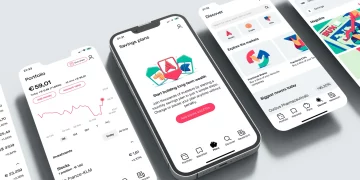
Okay, so check this out— A good multichain wallet should present a unified dashboard across EVMs and non-EVM networks. It should integrate on chain analytics, APR breakdowns, and estimated impermanent loss calculators. I’ll be honest: I like wallets that let me tag strategies and clone positions (oh, and by the way… testnets first). When those features combine with social copy trading and transparent BWB mechanics, the user experience becomes powerful rather than fragmented and confusing.

Seriously? Security matters too, and that’s very very non negotiable. Multisig options, hardware wallet support, and accountable smart contract audits should be standard rather than optional. I ran stress tests on small amounts, and watching a wallet surface cross-chain transaction failures and then recommend safe fallbacks convinced me that UX and security can coexist if teams design for edge cases. Also, regulatory clarity in the US affects onboarding, fiat rails, and compliance integrations which can influence how a wallet structures KYC and custody choices.
Where to look next
Check a project that balances usability with deep protocol integration, like the kind of solution described on bitget wallet crypto when evaluating a wallet that aims to combine DeFi tooling, social trading, and token utility. Leaderboards that show risk-adjusted returns, not just raw performance, and clear token utility for BWB-like assets are signs of thoughtful design.
Wow. Copy trading needs good filters to prevent herding. You want leaderboards that show risk-adjusted returns, not just raw performance. Transparency about positions, historical drawdowns, and strategy composition reduces tail risk for followers. Initially I thought copying top APR performers was fine, but then realized that survivorship bias and correlation spikes can wipe profits when everyone unwinds simultaneously.
Here’s the thing. The BWB token can be more than a governance badge if utility is baked into fees and staking rewards. It must incentivize long term contributors, fund public goods, and avoid one time airdrop flips. On one hand tokens should reward early builders, though actually sustainable protocols create ongoing demand through fees, integrations, and developer grants that foster an ecosystem instead of pump cycles. I’m biased, but I think wallets integrating DeFi primitives, a social trading layer, and a sensible token like BWB will win mainstream users from Main Street to institutional desks if they nail composability and user protection.
FAQ
How does copy trading affect yield farming risks?
Copy trading can diversify skill exposure but it can also amplify systemic risk if many users replicate the same leveraged positions, so use leaderboards with volatility metrics and monitor correlation—don’t blindly follow.