































Japan’s once-simmering equity markets are now simmering with renewed optimism. Once burdened by weak corporate governance, sluggish reforms, and a deflationary mindset, Tokyo has quietly transformed into one of the most active reform arenas in 2025. Changes at the Tokyo Stock Exchange (TSE), landmark moves by legendary investors like Warren Buffett, and surging strength in robotics and semiconductor sectors are sparking increased investor return—not just in the short term, but potentially for decades.
Structural Change on the TSE Frontline
A dramatic overhaul of the Tokyo Stock Exchange’s listing and governance rules has been at the heart of the transformation. In early 2025, new dual-class listing regulations were scrapped, making it easier for global-focused Japanese firms, tech startups, and innovative midcaps to list without fear of activist dilution. At the same time, mandatory adoption of Environmental, Social, and Governance (ESG) metrics across the board has pushed firms to improve board diversity, deliver annual capital return targets, and embrace independent director oversight. The Big Three—Toyota, Sony, Mitsubishi—led early by promising enhanced dividend payouts and streamlined corporate structures. Institutions that mandated board review and capital efficiency as listing preconditions have already helped drive a 20% surge in TSE mid-cap returns since late 2024.
Investor feedback has been immediate. Foreign fund managers, long discouraged by entrenched cross-shareholdings and feudal governance, now enjoy shareholder-friendly reforms—supported by a rising cadre of domestic ESG-focused investment trusts. Tokyo listings are becoming more attractive as capital-light platform plays and local-to-global hybrids gain visibility.
Buffett’s Yen Bond Gambit
Just as significant is Warren Buffett’s foray into a new asset class for Berkshire Hathaway. In May 2025, Berkshire announced a sizable investment in deep-discounted Japanese yen-denominated government bonds with long-dated maturities—marking Buffett’s first-ever yen bond purchase. Market analysts believe this isn’t just about the spread between Japanese rates and U.S. Treasuries but signals confidence that Tokyo will avoid destabilizing inflation or runaway fiscal imbalances in coming years.
Buffett’s move had ripple effects. Foreign fixed income had long underperformed in yen terms due to deflation, volatile policy, and yield curve backwardation. His move validated the BoJ’s decision to soften yield-curve control while signaling confidence to global bond allocators. In the weeks after the deal, Japanese sovereign bond ETF inflows exceeded $2.4 billion—bringing global attention to yen-denominated high-quality assets, and complementing equity optimism with safe-yield rotations.

Robotics: Export-Led Growth Reinvented
Japan’s robotics sector is turning heads. Companies like FANUC, Yaskawa, Nirvana, and Omron have steadily benefited from global supply chain shifts toward automation and nearshoring. Many Japanese factories automated heavily post-pandemic, seeking speed and resilience over low-cost labor. New export orders—spanning the U.S. automotive supply chain to Europe’s pharmaceuticals and semiconductor test-fabrication steps—have surged. Investors are taking note: shares of FANUC hit record highs even as global manufacturing faltered, driven by material supply chain resilience and sticky demand.
The TSE reforms boosted confidence: higher board accountability means smarter capital allocation toward global R&D and acquisitions. These firms now appear less reliant on domestic output and more focused on global robotics-as-a-service contracts.
Semiconductor Revival
Japan’s legacy in semiconductors runs deep, and 2025 marks a major reset. Beyond the government-backed Memory Clean Room Initiative, private enterprises like Tokyo Electron and Advantest have launched multi-billion-dollar expansions targeting advanced packaging and post-5nm EUV reactor capacity. AI-tailored semiconductor investments have increased access to talent and capital, making semiconductor-house stocks more central to global supply chains.
What changed this year is governance. TSE-mandated capital allocation reviews have forced semiconductor firms to prioritize free cash flow and higher yields. Retirements and family ownership transitions opened the door for acquisitions and talent influx. The result: profit margins have exceeded earlier expectations and valuation multiples have begun to rise—moving Japanese chip stocks back into global benchmarks and institutional investor models.
Performance So Far
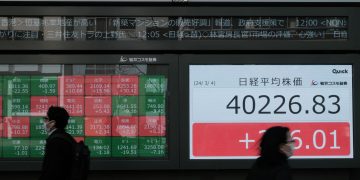
Collectively, these changes have lifted Japanese markets. The Nikkei 225 is up more than 35% in the past 12 months—its best performance since the late 1980s. Small- and mid-cap TSE sections, especially in tech and manufacturing, have outperformed by over 50%. Even domestic megacaps are catching fire, the result of both higher dividends and leaner internal operations.
Both foreign and domestic retail funds have begun rotating capital back into Japan, often with dual allocations—equity and yen-bond hybrids—for blended yield and growth opportunities. Corporate insiders, empowered by the TSE reforms, remain confident and well-positioned to keep this momentum alive.
Future Outlook and Risks
Challenges remain. Long-term structural reforms—tax code simplification, protectionist restrictions, demographic decline—still need addressing. And while semiconductors and robotics dominate the headlines, other sectors still lag: consumer discretionary and services have lagged global peers due to weak domestic demand. Still, the reforms are recalibrating expectations: capital efficiency, dividend yield, and investor voice now matter in boardrooms.