
































Whoa!
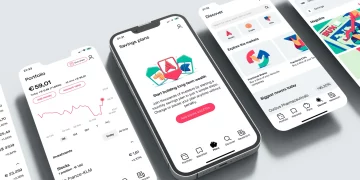
TWS can feel like a cockpit at first glance.
Most pros either love it or grumble about its learning curve.
Initially I thought it was just another bloated platform, but then I started customizing layouts and my whole approach changed—actually, wait—let me rephrase that: customization turned TWS from complex to surgically precise for my workflow.
My instinct said slow down and learn one pane at a time.
Seriously?
Yeah, there are settings you won’t touch for months and then one day they save you from a margin call.
The mosaic view is great for fast order entry.
But the Classic TWS give you granular controls and nested order logic that you can’t get elsewhere, which matters when you’re juggling block trades and options spreads.
I’m biased, but that control is very very important for pro desks.
Hmm…
Paper trading here is the real unsung hero.
You can simulate fills that mirror real IBKR routing, and that matters when you test algos or hedge timings.
On one hand the fills are sometimes cleaner than live (because there’s no slippage), though actually you learn how your algo behaves under ideal conditions and then you must stress-test it live—don’t skip that.
Oh, and by the way… somethin’ about the time zone settings will bite you if you forget them.
Here’s the thing.
Latency matters more than most people admit.
If your strategy runs on quick re-pricing, you need a lean workspace and minimal external connectors.
I trimmed background apps, set TWS to use less history caching, and moved market data off the same machine that runs heavy Excel models—small moves, big impact when you’re scalping or making intra-day arbitrage.
My takeaway was clear: shave every millisecond you can without breaking audit trails.
Whoa!
Order types are where TWS shines for pros.
Adaptive, Relative, Limit-if-Touched, and SmartRouting are not just buzzwords; they shape execution quality.
When you chain algos or use the IB algo builder to create a VWAP-like execution, the platform’s event handling and smart order logic keeps you from double-filling or tearing up spreads unintentionally, though you’ll need to tune participation rates and aggressiveness parameters per venue.
Seriously, test the combos before you go live.
Hmm…
The API deserves a paragraph.
If you use Python, Java, or C++, the IB API gives deep hooks into fills, P&L, and positions.
Initially I built a quick scraper to pull fills; that was naive and brittle, but then I switched to a persistent socket model with reconnection logic and rate-limit handling—much better.
On another note, the FIX interface is robust for institutional flows, but it requires more integration and careful session management to handle sequence resets during market opens.
Whoa!
Market data permissions are sneaky.
You might think a subscription is enough, but exchange-level permissions and delayed vs real-time flags will change what you see in charts and in the order book.
On the pro desk we keep a checklist: feed permissions, default snapshot vs streaming, and consolidated tape toggles—miss one and your algos will misread liquidity.
I’m not 100% sure every trader knows this, but monitoring market data status in the Account window is basic hygiene.
Here’s the thing.
Risk Navigator isn’t pretty, but it is indispensable.
It lets you stress test multi-leg positions, simulate Greek exposures, and export scenarios to other risk tools.
When we ran scenario analyses during earnings season, the difference between a naive delta estimate and the full gamma/expo simulation changed hedging decisions materially—so expect some surprises.
Also expect to repeat the same stress tests each quarter because positions and liquidity regimes shift.
Whoa!
Shortcuts are underrated.
Learning the hotkeys for trade entry, flattening positions, or toggling DOM depth will shave fat from your trading routine.
Customize the keyboard shortcuts to match your muscle memory—if you came from a different platform, re-map thoughtfully rather than forcing the old layout.
I broke this rule once and paid for it with an accidental market order; live and learn, right?
Seriously?
Yes, connectivity resilience is a theme.
Use redundant internet paths if you run serious size and consider a light VPS near IBKR gateways for algo servers.
But don’t over-architect: a small, well-configured laptop with a wired connection often beats sloppy VPNs and flaky Wi‑Fi.
On a related note, keep local backups of layouts and workspace files so a reinstall doesn’t wipe out weeks of tuning.
Hmm…
Training new hires on TWS needs a plan.
Start with mosaic or a small tidied workspace, then graduate them to Classic and Risk Navigator once they’re comfortable with fills and margin mechanics.
We document order flows, edge cases, and “gotchas” like the default order expiry behavior and IB’s handling of partial fills, and that reduces hand-holding.
Don’t assume someone knows “how IB routes”—teach it, because assumptions create mistakes.

Where to get TWS and one quick download tip
I usually tell people to get TWS from the official download page and verify the build before installing because updates sometimes change defaults in ways that affect algos.
If you want the installer, grab it here: https://sites.google.com/download-macos-windows.com/trader-workstation-download/ —and yes, check the release notes and the Java runtime requirements before you click run.
Pro tip: use the offline installer for controlled deployments and pin the version in your change log to avoid surprises during earnings or regulatory changes.
Here’s what bugs me about one common setup.
People run too many third‑party charting plugins inside the same host process.
It seems convenient until your platform freezes during a volatile candle.
Split heavy charting off to another machine or use web-based viewers for non‑execution analytics; stability matters more than pretty visuals when positions are at risk.
That said, integrations like Option Analytics and Probability Lab are worth the CPU if you need them for trade planning.
Whoa!
Mobile TWS is more capable than most expect.
I use it for checks and small executions, but never for starting a major roll or complex spread—too many taps, too much risk.
The mobile app is good for monitoring, alerts, and occasional quick fills, though the ergonomics favor the desktop for anything with options legs.
If you rely on mobile, pair it with robust alerting (popups plus SMS) so nothing slips through during a lunchtime gap move.
FAQ
Can I run automated strategies with TWS on my local laptop?
Yes, but do it carefully.
Use the IB API with robust error handling and reconnect logic, consider a VPS for 24/7 strategies, and always test in paper trading first.
Also manage your market data subscriptions and permissions before scaling up, and document failover steps so someone else can step in if you are unreachable.