

































Whoa!
I’ve been fiddling with browser wallets for years, and somethin’ bugs me every time I try to manage everything across five tabs.
My instinct said it would get better, but the reality kept being clunky and fragmented.
Initially I thought that a browser extension was just a convenience layer, but then realized it can be the hub that actually shapes your investment behavior, for better or worse.
Here’s the thing.
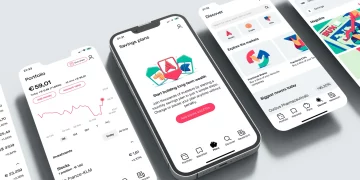
Portfolio management inside a wallet extension changes how you make decisions in the moment.
When token prices flash and your brain wants to react fast, having a clear dashboard can stop dumb mistakes and encourage intentional moves instead.
On one hand, a tidy portfolio view helps you rebalance and monitor diversification; on the other hand, if the UI is noise-filled and pushy (looking at some apps), you’ll trade emotionally more often than not.
Seriously?
Yes — because behavioral finance still applies to crypto traders and collectors, and the interface nudges matter.
One quick anecdote: I once nearly paid a high gas fee because the swap UI hid the slippage tolerance; lesson learned the painful way, though actually, wait—let me rephrase that, it was a wake-up call about UX and risk visibility.
Good portfolio tools should show unrealized gains, concentration risk, and exposure to staking lockups without being an anxiety machine.
Hmm…
Staking looks easy on paper: click, lock, earn APY, collect rewards.
My gut said to just APR-chase, but deeper thinking revealed that APR alone lies—lockup lengths, withdrawal paths, and validator risk matter a lot.
On chains with slashing, your small yield can evaporate if the validator misbehaves or the protocol penalizes downtime, so the wallet should note not just returns but conditions tied to those returns.
Wow!
So how does a modern extension actually help? It aggregates, annotates, and warns.
A good extension will pull your holdings across chains, present staking opportunities with clear lock-up periods, and show estimated annualized yields alongside the associated risks.
That kind of transparency nudges better choices—like choosing a liquid staking option when you want flexibility versus locking for a higher long-term yield if you can stomach illiquidity.
Okay, so check this out—
NFT support in wallets is no longer a novelty; it’s central to how collectors interact with tokens and communities.
I’m biased, but a gallery view that groups items by collection, shows metadata, and reveals on-chain provenance saves time and builds confidence when buying or listing.
And yes, gas optimization matters: batch listings, lazy minting, or layer-2 support can make the difference between a sale and an abandoned cart.
Really?
Really.
For creators and collectors alike, wallet-based NFT tools that integrate marketplaces and signing flows reduce friction and lower the chance of phishing mishaps, when done right.
But again, security trumps convenience; signing unfamiliar contract calls is the main vector for losses, so the extension should clearly display what you’re approving and why.
Here’s a practical example from my own routine: I keep my daily-use assets in a browser extension for fast DeFi access, but move large, long-term holdings to a hardware wallet that the extension can interface with when needed.
That hybrid setup gives convenience without sacrificing custody control.
Initially I thought a single hot wallet could handle everything, though actually that turned out to be lazy and risky—so I adjusted my process.
If your extension supports hardware integration, multi-chain viewing, and one-click staking with clear warnings, you get the best of both worlds.
Check this out—

Extensions that do this well let you preview staking lockups, estimate yield compounding, and show NFT royalties and resale history in the same pane where you manage swaps and token approvals.
One solid example I like for usability and multi-chain features is the okx wallet, which bundles portfolio, staking, and NFT tooling into a single extension experience without feeling spammy or bloated.
That integration saves time when you’re toggling between checking a price and approving a contract, which is surprisingly important for emotional control during volatile moves.
On security: always, always—no exceptions—protect your seed phrase and consider passphrase-derived accounts for compartmentalization.
Think of your wallets like bank accounts: you wouldn’t keep your life savings in the same envelope you carry to the coffee shop.
Multiple accounts per extension, combined with readable labels and subtle UX nudges (e.g., “This account is hardware-only”), reduce mistakes and curb accidental approvals.
Also, before staking, audit the contract or rely on validators with transparent practices; the wallet can surface these flags but you still need to do the mental homework.
Hmm, I know that’s a lot.
Some people want fully automated yield maximizers and are willing to accept opaque strategies; others want manual control and detailed logs.
Personally, I’m in the latter camp, but I recognize the allure of automation—so a wallet that offers both, with clear toggles and safety defaults, hits the sweet spot.
Features to look for: granular permission revocations, transaction previews with human-readable explanations, and the ability to disconnect dApps quickly.
Before I wrap up—
be aware of UX traps like over-aggregated APY numbers that hide fees or token incentives tied to platform governance tokens; they can look shiny while being net negative after fees and inflation.
What I do is simulate scenarios: what happens if I need liquidity in 7 days versus 90 days, and how do withdrawal fees scale with the amount?
Those simple thought experiments prevent bad surprises and are easy to do when your wallet shows projected outcomes side-by-side.
Final thoughts (a short, honest nudge)
I’ll be honest—no single wallet will be perfect for everyone, and that’s fine.
Pick an extension that puts portfolio clarity, staking transparency, NFT provenance, and security tools front-and-center, and keep learning as protocols evolve.
My instinct still says trust but verify, and my experience says a browser wallet that integrates these features well can actually raise your game rather than drag it down.
FAQ
How should I split assets between a browser extension and a hardware wallet?
Use the extension for active funds—trading, staking, interacting with dApps—and move long-term holdings or large positions to a hardware wallet, using the extension as a read-only viewer when possible; this balances convenience and security.
Can I stake and keep NFTs in the same extension safely?
Yes, but protect against signing risks: review every contract call, enable hardware confirmations for large transactions, and prefer wallets that clearly explain approvals and display NFT metadata and staking lock terms in readable formats.