
































Whoa! Okay, so here’s the thing. I started messing with DeFi on my phone a few years ago, and yeah—there was equal parts exhilaration and small panic. Mobile convenience is addictive but also kind of terrifying when your savings are one mistap away from being gone. My instinct said: back up everything. But actually, wait—how you back it up matters more than most people realize.
Short version first: seed phrases are the lifeline. Seriously. Then comes yield farming, which can be lucrative but messy and risky if you don’t keep track. And portfolio tracking—if you ignore it, you’ll lose opportunities and make dumb tax mistakes. Initially I thought a single screenshot or a note in my phone would be fine, but then a friend lost access and I learned the hard way. On one hand people brag about going paperless; on the other, paper (or a metal backup) often saves the day. Hmm… this part bugs me.
Here I’m going to walk through practical habits I use on mobile: secure seed phrase backups, a pragmatic approach to yield farming, and simple portfolio tracking that doesn’t feel like a second job. I’m biased toward tools that keep things simple and give you control. I’m not 100% sure about every wallet or every strategy (the space moves fast), but these are tactics that helped me sleep at night. Also—oh, and by the way—if you want a multi-chain wallet that’s mobile-first, check out trust wallet for a straightforward on-ramp and a tidy UX that works on phones.

Seed Phrase Backups: The Lifeline You’ll Curse If You Ignore
Short reminder: seed phrases are not passwords. They are the key to your private keys. Yup—your seed phrase = your crypto. Keep that idea front and center. My first impression was casual: write it down and tuck it away. That worked until my apartment flooded (true story). Suddenly, the casual approach felt… inadequate.
So what’s a sensible mobile-first backup plan? First, never store seeds in plain text on your phone. Never ever. That may sound obvious, but people still do it because it’s easy and because phones feel secure. On one hand phones have biometrics and encrypted storage; on the other, malware, phishing, and physical theft are real threats. Initially I thought encrypted notes were safe, though actually—wait—if your phone gets compromised, an attacker could still export that file. Therefore: write your seed phrase on paper and on a durable medium.
Paper’s cheap and accessible. But paper degrades. So for something you really care about—like funds you plan to hold long term—consider a metal backup. Metal plates resist fire, water, and time. I used a stainless-steel kit that screws together; it’s not glamorous, but it survives disasters. Here’s another human tip: make two backups. Store one at home in a locked place and another at a trusted safe location (safety deposit box, or with a lawyer or a trusted friend—careful with trust though). Also, avoid writing your full seed phrase where it’s obviously labeled “crypto seed.” Be creative but retrievable—use small abbreviations if you must, or a partial hint system only you would get.
Something felt off about hardware wallets-only narratives. Hardware wallets are excellent for preventing remote theft if you use them correctly, but they don’t replace a robust seed backup strategy. If the hardware fails, the seed restores access. So think of seed backup as primary and device as ephemeral.
Yield Farming Without Losing Your Shirt
Yield farming is sexy. Yield farming is also like dating around in Vegas—fun until morning. Short wins are possible, but the risks pile up fast. A lot of yield comes from leverage, impermanent loss, and token incentives that evaporate when the protocol’s reward token dumps. My gut reaction when I see double-digit APRs is “Whoa—too good to be true.” Often it is.
Start with clarity. Decide why you’re farming: is it short-term gain, long-term exposure, or protocol participation? That decision determines everything. For short-term plays, keep positions small relative to your portfolio and use stop-loss or exit triggers. For long-term staking of stable pairs, examine the protocol’s TVL, audit history, and tokenomics. On one hand audits matter; on the other hand audits don’t guarantee safety—so do your own risk math.
Track every position. Seriously. Use transaction notifications and a single phone-based tracker (more on that below). If you spread assets across many chains (BSC, Ethereum, Polygon, etc.) you need a wallet that supports multi-chain management without sacrificing simplicity. Also, watch for rug-pulls: contracts that can mint or transfer large token balances, or admin keys that the devs can use to drain funds. Read token contracts when you can, or rely on services that flag suspicious permissions. I’m not telling you to become a Solidity dev, but a little on-chain detective work goes a long way.
Here’s a rule I follow: if I can’t explain to a friend why I’m pooling tokens in plain language in under 30 seconds, I don’t do it. That forces clarity. Also, set alerts for TVL drops and token mana…. excuse me, token market cap drops—these are early warning signs.
Portfolio Tracking That Actually Helps
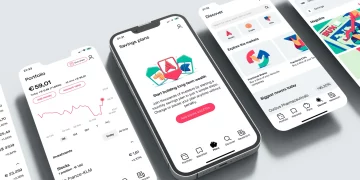
Portfolio tracking gets neglected until it bites you. Taxes, rebalancing, and yield compounding are hard to manage if you don’t see the whole picture. I used to track positions with spreadsheets; that was educational and tedious. Now I prefer simple mobile dashboards that sync across chains and show realized vs unrealized gains.
Key features I look for: automatic transaction aggregation across chains, customizable alerts for large moves, and privacy-respecting/account-connection options. Some apps require you to upload keys—avoid that. Instead use wallet-read-only connections or public address tracking. That way the app monitors your balances and transactions without having any control over funds. If an app asks for private keys, close it immediately. Double word warning: very very dangerous.
A practical habit: weekly review. Spend ten minutes every Sunday evening scanning positions: what yielded, what lost, and what needs rebalancing. This habit prevents surprise tax events and keeps you opportunistic rather than reactive. If you farm, track APR changes and withdraw before incentives end; if you HODL, track token-specific developments and governance votes. Being passive is fine, but ignorance costs more than occasional attention.
FAQ
How should I store a seed phrase on mobile?
Don’t store seeds on the phone in plain text. Use an offline backup: write it on paper and consider a metal backup for longevity. Keep copies in different secure physical locations. Treat your seed like real-world cash—if someone finds it, they can spend everything.
Can I yield farm safely on mobile?
Yes, with discipline. Use a multi-chain mobile wallet to interact, keep positions small, monitor TVL and tokenomics, and never give excessive approvals. Use read-only portfolio trackers to monitor positions without exposing private keys. If yields look absurd, pause and investigate—these often come with hidden risks.
What’s the easiest way to track my multi-chain portfolio?
Pick a tracker that aggregates across addresses and chains and connects via public addresses or wallet-read-only APIs. Avoid apps that request private keys. Regularly reconcile the tracker with on-chain explorers to ensure accuracy. And keep a manual log of major trades as a backup.